


Who We are
Vijana Life Organization (ViLO) began in 2018 with a simple idea sparked by the experiences of two Form Four students, a boy and a girl, at Majani ya Chai Secondary School in Dar es Salaam. These students faced the daily realities of educational challenges, particularly the girl, who struggled to afford basic school necessities like uniforms and textbooks. With the help of a scholarship, she completed her secondary education, a moment that inspired hope and possibility.
Seeing the struggles around them, these two students decided to take action. While still in school, they founded a small club to support their peers and other youth facing similar hardships, providing guidance, mentorship, and basic support to help them overcome barriers to education and personal growth.
Seeing the struggles around them, these two students decided to take action. While still in school, they founded a small club to support their peers and other youth facing similar hardships, providing guidance, mentorship, and basic support to help them overcome barriers to education and personal growth.
Our Story
In 2019, the initiative grew beyond the school walls, evolving into a community-focused life and youth support group. This unregistered organization began extending assistance to vulnerable youth and children in orphanages, providing essential resources and mentorship to help them navigate life’s challenges.
By 2020, their vision had matured, and the organization was formally registered as Vijana Life Organization (ViLO). From its humble beginnings in a school club, ViLO has grown into a platform that empowers young people to overcome barriers, achieve their potential, and contribute meaningfully to their communities.
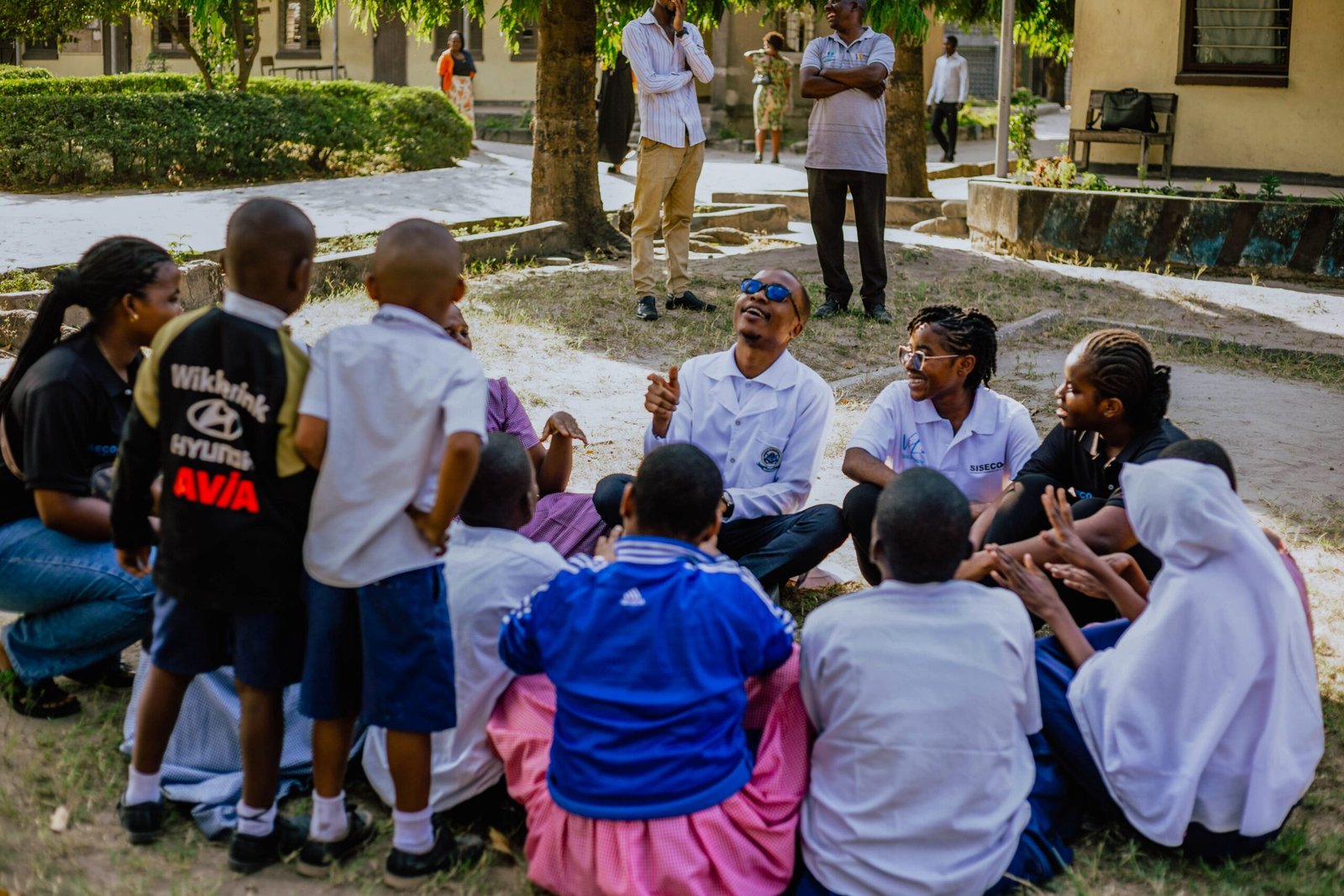
Vijana Life Organization

Vijana Life Organization
The Reality We’re Facing
34.4% of Tanzania’s population are young people aged 15-35. That is more than one in every three people whose future will shape the future of the nation. But are they getting the opportunities, skills, and support they need to succeed?
Too many girls face barriers to completing their education and choosing their own future. In Mainland Tanzania, 22.7% of girls aged 15-19 had begun childbearing in 2022, while 29.1% of women aged 20-24 had married before age 18. These realities can disrupt education, affect health, and limit future opportunities.
Only about one in three students completes lower secondary education. In 2024, the completion rate was approximately 36% for girls and 32% for boys. Behind these figures are young people whose educational journeys may be cut short before they can fully pursue their dreams
Health challenges, including preventable diseases, continue to demand attention. Young people need reliable health information, opportunities to learn about disease prevention, and inclusive services that respond to their needs. Health education is essential to helping individuals and communities make informed decisions and live healthier lives.
Finding decent work remains a challenge. In 2024, 13% of young people aged 15–24 in Tanzania were not in employment, education, or training. Many need practical skills, mentorship, entrepreneurship support, and better pathways to economic independence.
Mental health challenges among adolescents are significant yet under‑addressed, contributing to school absenteeism, low academic performance, and poor overall wellbeing.
Communities need young researchers, problem-solvers, and environmental champions. Pollution, poor waste management, and environmental degradation affect the places where young people live and learn. Yet young people can help investigate local challenges, develop practical solutions, protect natural resources, and lead positive change when given the right knowledge and opportunities.
Our Solutions
- Better Health for All: We promote preventive health education, hygiene, disease awareness, and healthy lifestyles to help young people and communities make informed decisions and prevent avoidable health problems.
- Education That Opens Doors: We encourage young people to stay in school, pursue their ambitions, and access learning opportunities through educational motivation, mentorship, scholarships, skills training, and leadership development.
- Skills for Economic Independence: We equip young people with practical skills, project management knowledge, entrepreneurship training, and opportunities to develop sustainable livelihoods and contribute to their communities.
- Research That Solves Real Problems: We encourage young people to explore local challenges, develop research skills, understand their communities, and use evidence to inform practical solutions and positive social change.
- Youth-Led Environmental Action: We engage young people in environmental education, tree planting, waste management, and conservation initiatives that protect natural resources and promote healthier communities.
- Young People Leading Change: We create opportunities for young people to build confidence, strengthen their leadership abilities, share ideas, and take an active role in addressing the challenges affecting their communities.
Our Commitment
When young people are equipped with the right knowledge, skills, and support, they can transform not only their own lives, but also the future of their communities.
By 2020, their vision had matured, and the organization was formally registered as Vijana Life Organization (ViLO). From its humble beginnings in a school club, ViLO has grown into a platform that empowers young people to overcome barriers, achieve their potential, and contribute meaningfully to their communities.
Vijana Life Organization
Our Why in one sentence
Our mission is to empower youth to advance sustainable health, education, and development, and to strengthen their social impact in Tanzania.
Partnership and Collaboration
Innovation and Creativity
Inclusion and Equity
Volunteerism
Vijana Life Organization
Key Achievements
Life Skills Training
150+ girls trained in communication, leadership, and decision-making.
140 graduates benefited from employability skills for youth.
STEM and Technology Education
500 students have benefited from STEM education, including using computers to collect data for environmental variety in the community.
78 youth benefited from science and technology, including coding and basic computer programs.
Health and Disability Inclusion
100 Muhimbili University of Health and Allied Sciences students benefited from health care sign language training for people with disabilities.
234 youth benefited from health education on non-communicable diseases, including lung health education.
Economic Empowerment and Entrepreneurship
69 young girls benefited from entrepreneurship and vocational trainings.
Menstrual Health and SRH Education
2,500 adolescent girls and young women benefited from menstrual pads and SRH education.